




Public-private partnerships (PPPs), when successful, are an ideal way for government bodies to improve society via the building of much needed infrastructure such as roads, railways, hospitals, schools, etc. Such projects rely on the private sector for financing and commercial expertise, and as such the burden of risk naturally falls on their shoulders, leaving the public sector partner to feel assured it is getting good value for taxpayer money. However, in the UK particularly, we have seen a trend of ‘aggressive’ contract management from the public sector, preventing harmonious working and even causing relationship breakdowns. Globally, over the course of a 25-30 year contract, disputes are bound to arise for numerous reasons, so what can be done about this?
A contract reset
The UK’s Infrastructure and Projects Authority commissioned a report to investigate behaviours and relationships in PFIs (Public Finance Initiative, the UK equivalent of a PPP). The resultant research by White and Fraiser found that, while not widespread across all contracts, disputes were leading to a waste of time and resources (both of which being in short supply), not to mention a having significant impact on the mental health of those caught in the crossfire. The public sector is fully within its rights to expect services as agreed within the contract, but at the same time there needs to be a certain amount of goodwill, or give and take, in order for the partnership to work effectively. For example, the FM service provider may have been straying outside the contractual parameters in order to innovate to improve operations, but may well return to the letter of the contract should they start being penalised for minor infraction. And of course there are times when the private sector is at fault, providing the bare minimum of services to maximise profit, at the expense of the infrastructure end user.
Where the relationship has broken down, the White Fraiser report recommends a contract reset: a period of time whereby a comprehensive service review and site audit is undertaken. This window gives the service provider the opportunity to remedy issues identified without further penalty and start from a clean slate.
Reporting
The report highlights problems with transparency and auditability, notably the private sector taking a light approach to self-reporting and often downplaying underperformance to avoid penalties. The fact that the public sector has taken a more rigorous approach to contract management supports this view, White and Fraiser suggest. What’s more is that some public sector bodies have not invested sufficiently in the systems necessary to ensure that self-reporting works reliably. Manual reporting can take days and is subject to substantial error due to complexity of performance and availability KPIs, leading to penalties and ratchets based on a multitude of factors. Performance management software with a fully integrated payment mechanism, or paymech, is essential for PPPs in 3 ways. First, it provides a raft of FM tools such as help desk, asset and maintenance management to help manage a service provider’s risks by providing measurable cost savings, improvements in time control and higher productivity. Second, it centralises project information so relevant data can be accessed by both public and private sector partners in the interests of transparency. All requests, works, and audits are timestamped to provide an audit trail for compliance purposes, thus also promoting trust. And third, a fully integrated payment mechanism, like that within SWG’s market-leading QFM P3rform software, makes light work of complex reporting. The data never leaves the software, unlike some other systems, so calculations can be easily reviewed and mitigation meetings are made easier with information in black and white. Reporting is completed within minutes, freeing much-needed resource for other areas.
Retrofitting a paymech
Like White and Fraiser, SWG also advocates contract resets, and we facilitate this process when retrofitting a paymech. A paymech can be added to an operational contract at any time – whether 2 years in or 20 – the benefit can be transformational. The implementation process involves translating the contract terms into the software line by line to ensure all terms are visible and measurable; and this is an ideal time to meet with both sides and review what is working and what isn’t. Are there terms which are ambiguous which can be reworded with examples to prevent future dispute? Are any of the KPIs unfeasible in the context of the live operational phase? Is the service provider frequently operating outside of the contract (in a positive or negative way) which should be incorporated into an SLA?
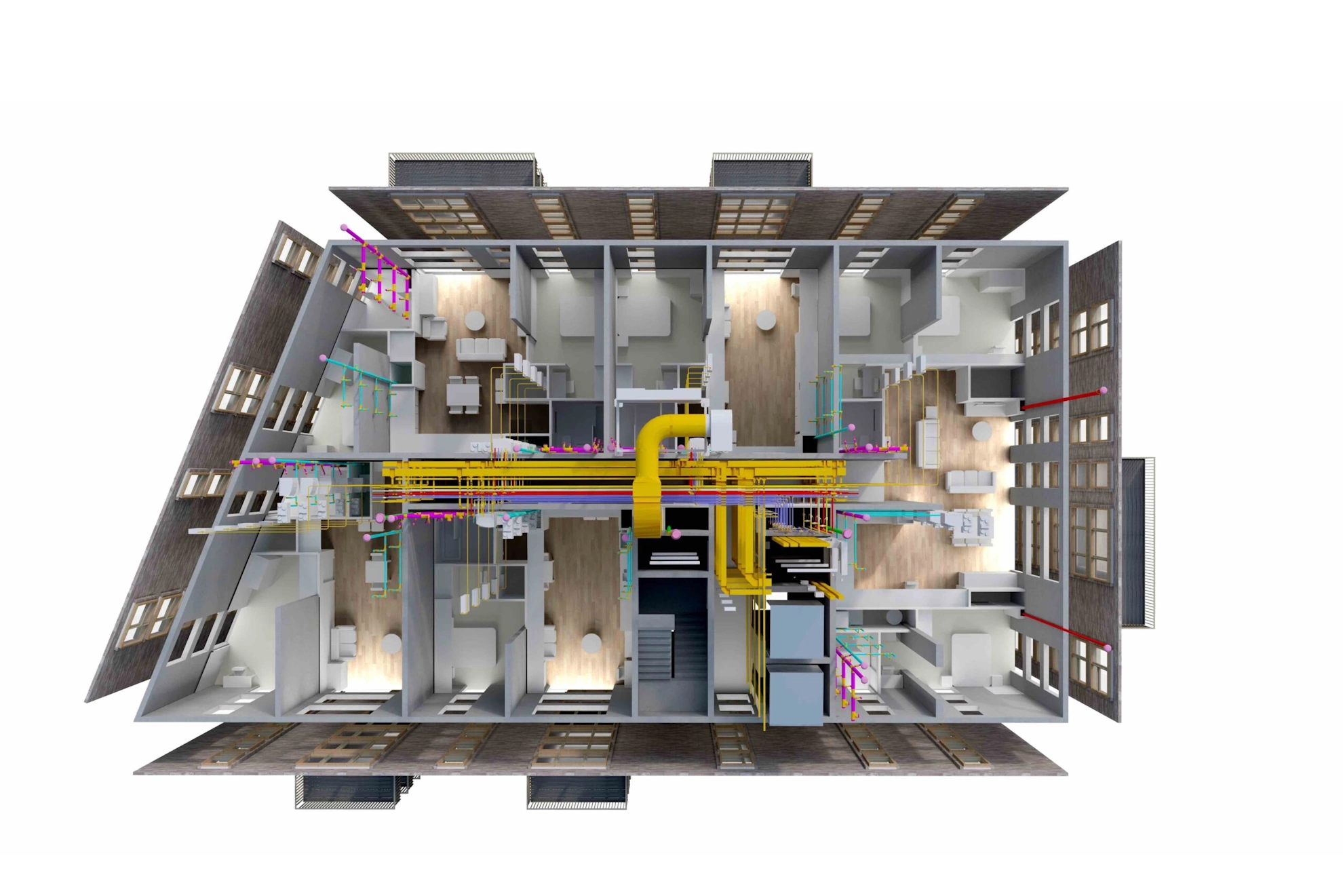
A reset is also a good opportunity to look at how new technology could benefit the partners and infrastructure end users. With contracts spanning 30 years or so, it’s highly feasible that technology not available (or too expensive) at the outset would now be beneficial. Take building information modelling (BIM) for example. Just ten years ago, this digital data and process was largely unheard of within facilities management, but is now understood to be the gold standard for information management and accessibility across the whole building lifecycle. And, BIM is either already a contractual requirement or soon will be (depending on geographical region) so implementing it sooner rather than later makes sense. SWG recommends having this conversation as part of contract negotiations. What are the requirements and what will the benefits be? It could be delivered as part of a framework to document what is expected. KPIs and SLAs can be aligned to the new technology in order to agree on deliverables, timeframes and who is responsible for what.
Clear communication for partnership working
In the past, in the UK particularly, if the contract was never consulted it meant the project was going well; but this approach leads to some nasty surprises – especially at the handover stage. This is perhaps where countries like Australia and Canada are doing better; constantly reassessing and in dialogue on how to make improvements. The White Fraiser report was clear that problems with communication and contract interpretation weren’t widespread but more found in ‘pockets’, like healthcare, but projects across all sectors could benefit from increasing transparency and data management. Payment mechanisms are an ideal solution, and a retrofit provides the opportunity to breathe new life into the relationship. Underpinned by a comprehensive due diligence process, it can realign expectations to the terms of the contract and creates an understanding and agreement of outcomes between the partners.
For more information on payment mechanisms, download our guide Implementing O&M Software for Effective PPP Contract Management, or contact us for a meeting.


