



At the FMA’s Future FM National Summit Series in Melbourne, Australia, SWG took to the stage to challenge the way the industry thinks about digital twins.
In a session led by international MD Samantha Fuller and account manager Roshan Jhoomuck, the focus was clear: digital twins are no longer conceptual models or future-facing ambitions. They are practical tools delivering measurable outcomes across facilities management today.
Backed by more than 30 years of FM, property and PPP expertise, and over 20 million square metres digitised worldwide, SWG’s perspective is grounded in real-world implementation rather than theory.
A digital twin as a decision-making engine
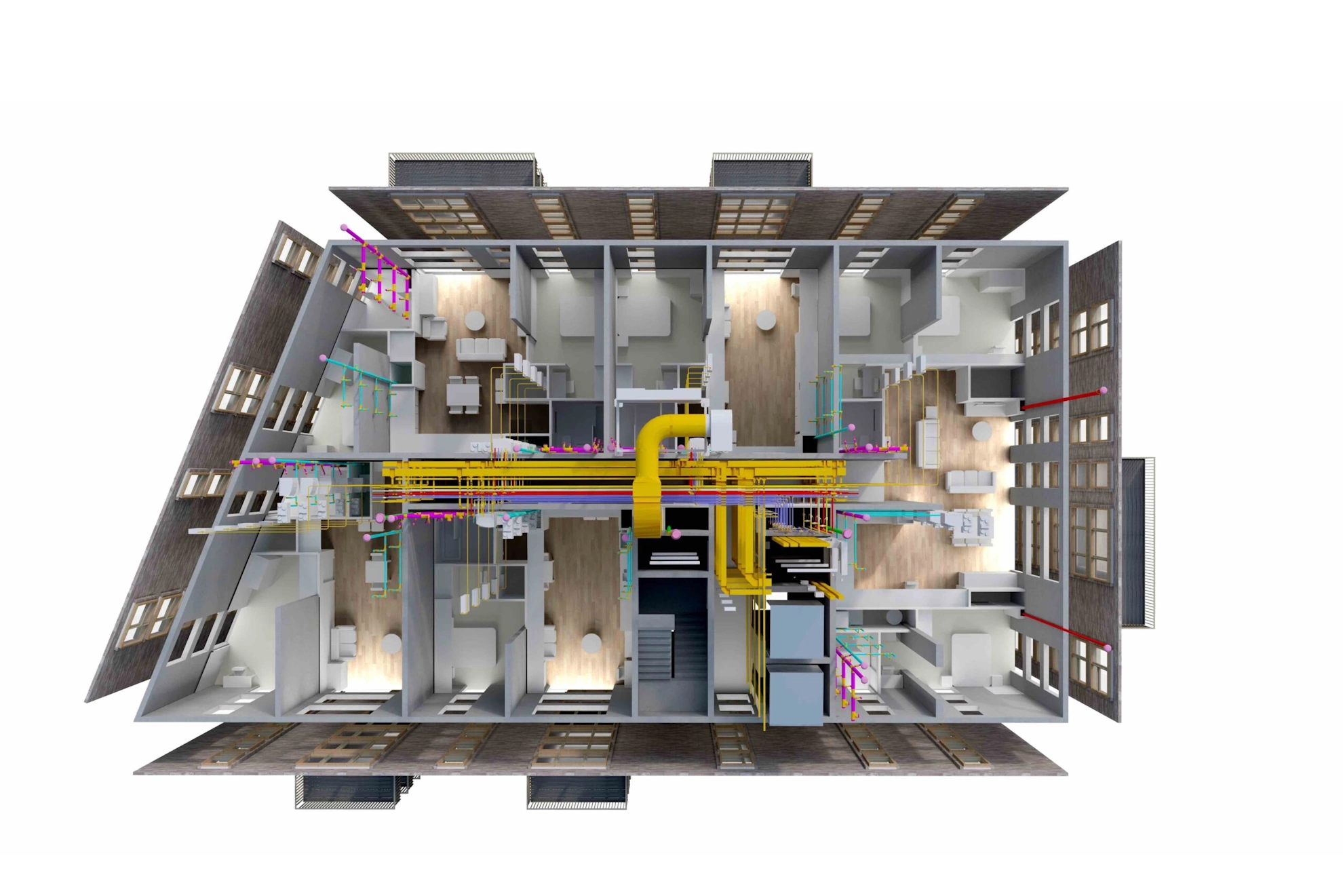
The duo opened with a simple but important clarification. A digital twin is not just a 3D representation of a building.
“It’s not about visualisation,” Fuller explained. “It’s about intelligence.”
By connecting BIM models with asset data, maintenance records and live inputs from smart infrastructure, a digital twin becomes a single, reliable source of truth. It brings operations, performance and physical assets into one connected environment, enabling facilities teams to move from assumption to evidence-based decision-making.
This integration closes the long-standing gap between design, construction and operations, ensuring that data created at the start of a building’s lifecycle continues to deliver value long after handover.
Maintenance based on performance, not assumption
One of the most compelling discussions centred on maintenance transformation.
Facilities teams have traditionally operated in reactive mode or relied on rigid planned preventative maintenance schedules. Digital twins unlock a smarter approach. By analysing real-time performance data, they can flag abnormal behaviour before failure occurs to allow intervention at the right time.
“Why service an asset that’s performing perfectly?” Jhoomuck asked. “The data tells you when action is actually needed.”
The impact is immediate: reduced downtime, fewer unnecessary interventions and longer asset life. At portfolio level, the visibility extends further: highlighting which assets fail most frequently, where maintenance spend is concentrated and how environmental factors affect performance. That insight supports smarter capital planning and stronger long-term asset strategies.
Testing change before it happens
Digital twins allow organisations to simulate operational changes before implementing them physically. Whether adjusting occupancy levels, reconfiguring layouts or assessing air quality impacts, facilities leaders can understand the consequences of decisions in advance.
“Digital twins remove guesswork,” Jhoomuck said. “You’re making decisions with confidence because you’ve already seen the likely outcome.”
In a hybrid working environment, this becomes particularly valuable. Occupancy patterns can be analysed, underused space identified and layout changes modelled to balance cost efficiency with occupant experience.
Sustainability with context
The session addressed the growing pressure to meet sustainability and net zero targets, and the limitations of monitoring energy consumption in isolation. A digital twin connects energy data back to specific assets and operational behaviours, revealing why spikes occur and where intervention will have the greatest impact.
As Fuller put it: “Data on its own doesn’t drive sustainability. Insight does.”
With asset, energy and environmental information unified, organisations gain a clearer pathway to managing sustainability across the entire building lifecycle.
A consistent message throughout the presentation was practicality. Digital twins are not multi-year, disruptive transformations reserved for landmark buildings.
Achievable, not overwhelming
Starting with a BIM model and layering in FM data and structured asset information, a twin could be delivered in as little as 11 weeks.
The emphasis was on structured progression, clean data and clear outcomes.
From digital ambition to digital outcomes
The energy in the room reflected a wider industry shift. Facilities leaders are no longer asking whether digital transformation is necessary – they are asking how to deliver it effectively.
SWG’s message at the FMA Summit was decisive: digital twins are not about adopting new technology for its own sake. They are about improving operational performance, reducing risk and creating buildings that actively inform how they are managed.
When data is connected, visible and actionable, facilities management becomes more predictive, more strategic and more sustainable.
Contact us here with your challenges and see how we could you help with BIM and digital twins.

