


In the wake of Australia’s new “ambitious but achievable” sustainability targets, our managing director, Samantha Fuller, takes a look the valuable role that FM will be playing.
Sustainability is no longer a ubiquitous buzzword in Australia. Climate concern is persistently high on the agenda for swathes of the Australian community – even above of cost of living – especially among millennials and gen Z voters who now comprise the largest group of voters.
Labour’s sustainability measures are ambitious, like its target to reduce emissions to 62-70% below 2005 levels by 2035 (which was previously set at 43%), and mandatory climate-related reporting is here to stay. Under a phased introduction through to mid-2027, all public and large propriety companies that meet sizing thresholds (a minimum of 100+ employees, $500 million+ in revenue and $25 million + in assets) will need to submit these reports. And, these orders have teeth: directors face liability for non-compliance or deception.
But, rather than something to be railroaded into, sustainability should be seen as an opportunity, a blueprint for immediate action that can lead to significant benefits for businesses and, of course, the planet.
The blueprint: identifying areas for improvement
Australia has a global carbon footprint that far exceeds its economic size and population, and energy use across industry rose by 4% in 2024.
As a result, there is increasing pressure on businesses to adopt sustainable practices. To prepare for future regulatory changes and to meet net-zero commitments, it is essential to have a better understanding of how a building consumes energy and the methods to decrease it. Conducting regular energy audits ensures that regulatory standards are met and helps identify areas of inefficiency in processes and services, determining whether and how a building is wasting resources.
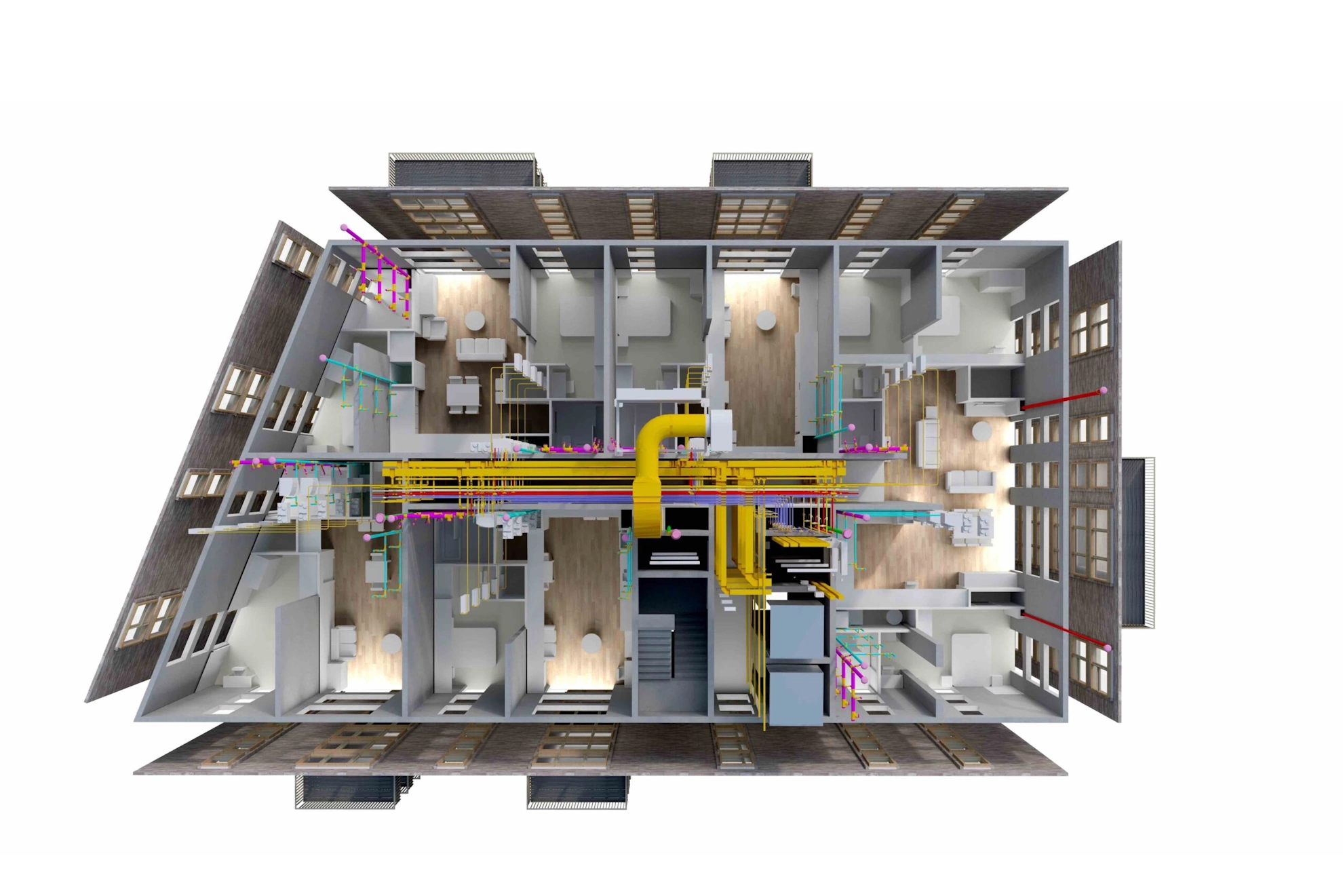
Organisations may seek to work with a certified energy auditor, who will review utilities consumption and building data, and provide tailored suggestions on how to implement energy-efficiency measures. CAFM (computer-aided facilities management) software, with a centralised database containing all necessary information, helps to streamline this process by providing vital supporting information about buildings and their assets.
Actioning sustainability
Whilst audits provide a helpful overview of efficiency and sustainable practices, planned preventative maintenance (PPM) is necessary for analysing physical asset performance. Regular inspections and maintenance extend asset lifespan and prevent equipment failures, reducing resource consumption and lowering costs. HVAC systems consume high energy in buildings, often around 40% of the total energy, so it is important to upgrade or replace equipment before they become an even greater drain on resources.
CAFM software gives visibility of critical maintenance dates, deadlines and costs to ensure assets are serviced effectively, and can be integrated with asset sensors to automate engineer dispatch to inspect anomalous readings. CAFM helps FMs balance team resources against the workload to ensure works don’t slip, and tasks can be intelligently assigned to the closest operatives with the correct skillset to minimise travel distance and environmental impact. And, when using a CAFM mobile app, paper waste from job sheets is eliminated.
The uptake towards AI and IoT sensors is providing FMs with insight into energy usage, and they can also control and adjust lighting, heating and cooling within buildings when integrated with CAFM. This ensures that no electricity is wasted on a vacant room. Hybrid working, causing significant fluctuations of people within a building from day to day, has led to more companies seeking to deploy sensor technology to manage occupancy-related peaks and troughs. When joined up with CAFM, IoT sensors enable facility managers to make significant cost savings, optimise the workplace experience for staff, and improve the energy efficiency and sustainability of the buildings we use.
Easy, cost-effective changes
As newer generations place a growing emphasis on corporate environmental responsibility, establishing a sustainable business also becomes advantageous for attracting and retaining staff.
It is essential to provide education and training to encourage employees to follow sustainable practices, as changing habits within a workplace can be challenging. This can be anything from promoting energy conservation, recycling, and eco-friendly commuting options. For instance, something as simple as placing reminders on all devices to ensure computers and other machinery are switched off when left unused can be effective. These small actions can be fundamental in fostering a culture of energy efficiency and sustainability.
To improve the energy efficiency of a building, several physical changes can be made. One effective strategy is to replace outdated fluorescent lights with energy-efficient alternatives, such as LED and motion-sensor lighting. This not only reduces energy consumption but also creates a more comfortable working environment, leading to greater employee satisfaction and well-being. Another measure that can significantly impact energy efficiency is installing better-insulated windows. Improved insulation helps regulate indoor temperatures, leading to reduced heating requirements. Even a one-degree difference in temperature can result in substantial savings on energy bills over time.
Sustainability and efficiency go hand in hand
By adopting these technologies, FM professionals can meet the dual challenges of sustainability and estate efficiency. Whether through insight into data and asset management with CAFM, or real-time optimisation through sensors and IoT, these innovations are critical for navigating the landscape of modern facility management. In doing so, they not only help organisations achieve sustainability goals but also ensure that buildings operate at peak efficiency throughout their entire lifecycle.